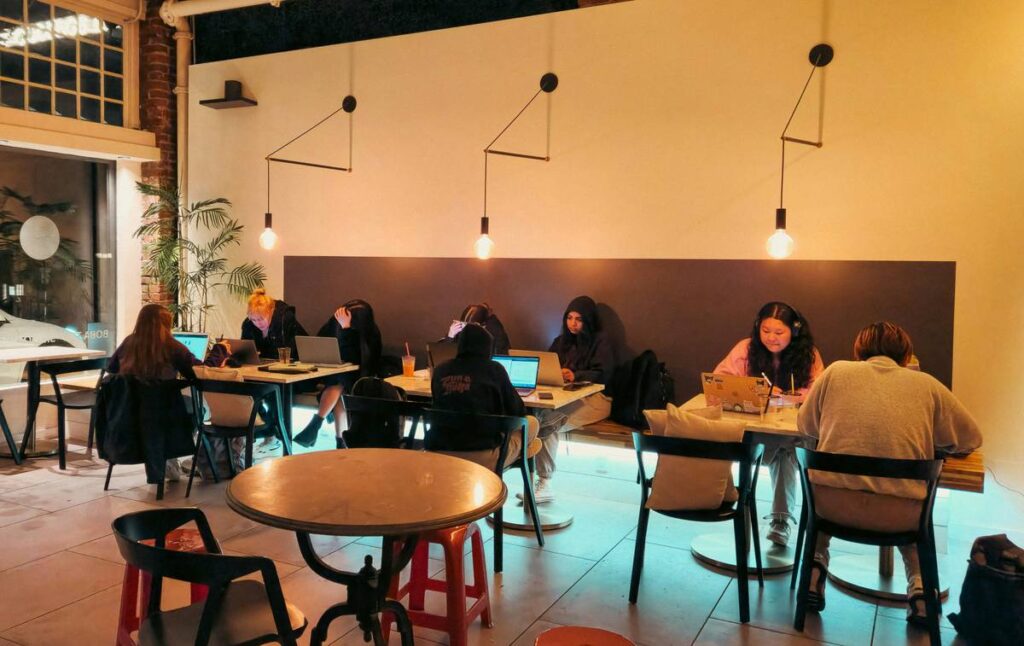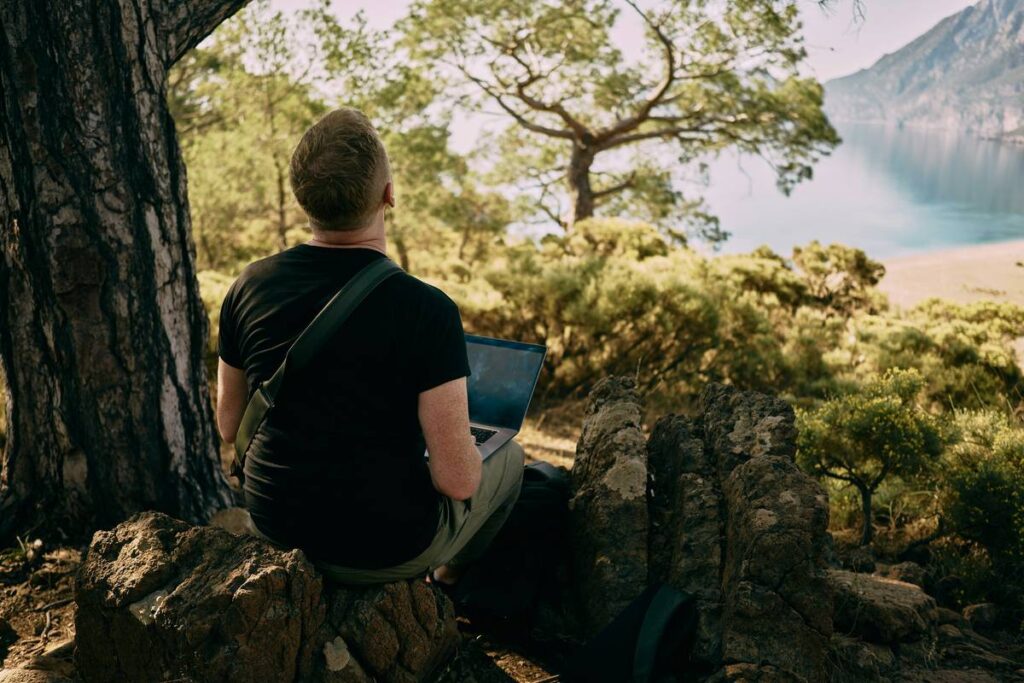
Ever stared at your laptop in a Bali co-working space, portfolio polished, inbox empty, wondering why nobody’s hiring you—even though your Behance looks like Pantone threw a rave? Yeah. I’ve been there. In 2022, I flew to Lisbon thinking “digital nomad = endless gigs.” Instead, I survived on €3 espressos and one logo job for a cat café that paid me in tuna sandwiches.
If you’re a graphic designer chasing freedom while freelancing across time zones, this post is your lifeline. You’ll learn exactly how to attract, vet, and land high-quality graphic design clients who respect your craft—and your schedule. No fluff, no fake guru nonsense. Just battle-tested tactics from someone who’s booked $42K in remote design work while living in four countries last year.
You’ll discover:
- Why most digital nomads fail to convert interest into paid projects
- A 5-step client-landing system that works from Chiang Mai or Costa Rica
- Real scripts to filter tire-kickers from dream clients
- Mistakes that make you look amateurish (even with elite design skills)
Table of Contents
- Key Takeaways
- Why Is Landing a Graphic Design Client So Hard for Digital Nomads?
- The 5-Step System to Win Your Ideal Graphic Design Client
- 7 Best Practices for Retaining Clients Across Time Zones
- Real Case Study: How I Landed a $5K Branding Project from a Thai Beach Bungalow
- Frequently Asked Questions About Graphic Design Clients
Key Takeaways
- Portfolio ≠ client magnet. You need a positioned offer + clear outreach.
- Time zones are your secret weapon—not a barrier—if framed correctly.
- “Cheap” clients cost more in stress than they pay in cash.
- Use asynchronous communication tools (Loom, Notion) to appear ultra-professional.
- Always qualify clients before sending a proposal.
Why Is Landing a Graphic Design Client So Hard for Digital Nomads?
Let’s be real: being a digital nomad doesn’t automatically mean clients will flock to you. In fact, the 2023 Nomad List Report found that 68% of creative freelancers struggle with inconsistent income during their first year abroad. Why? Because they treat their location like the product—not their expertise.
I once redesigned a Shopify store for a “startup” that turned out to be one guy in his mom’s basement who expected 30 revisions… for $150. My mistake? I skipped discovery calls and assumed passion equaled professionalism.
The market is noisy. Anyone with Canva can call themselves a “designer.” But you? You solve business problems with typography, color theory, and user psychology. That’s your leverage—but only if you communicate it clearly.
The 5-Step System to Win Your Ideal Graphic Design Client
Step 1: Niche Down—Hard
“I design logos” won’t cut it. Try: “I help eco-friendly skincare startups build premium brand identities that convert Instagram scrollers into buyers.” Specificity builds trust.
Optimist You: “This attracts the right people!”
Grumpy You: “Ugh, fine—but only if my niche includes coffee roasters. I draw better with caffeine in my veins.”
Step 2: Build a “Proof Hub”—Not Just a Portfolio
Your Dribbble shot looks slick, but does it show results? Add case studies with metrics: “+37% email signups after rebrand.” Use Notion or Webflow to create a one-page client-facing site with testimonials, process, and pricing ranges.
Step 3: Outreach That Doesn’t Feel Like Spam
Cold DMs fail. Instead, engage authentically:
- Find startups with outdated branding on LinkedIn or Indie Hackers.
- Comment on their posts with genuine insight.
- After 2–3 interactions, send: “Loved your mission—your current logo undersells your innovation. I specialize in [niche]. Open to a 10-min chat next week?”
Step 4: Run a Discovery Call That Qualifies Them
Ask: “What happens if this project fails?” and “What’s your decision-making process?” If they say “my cousin will review it,” run. Ideal clients own the budget and timeline.
Step 5: Send a Proposal That Closes
No PDFs. Use Bonsai or HoneyBook with embedded video (yes, video). Say: “Based on our call, here’s exactly how I’ll solve X problem—with deliverables, timeline, and investment.” Price confidently: $1,500–$5,000 for full brand identity is standard for experienced nomads (Payscale, 2024).
7 Best Practices for Retaining Clients Across Time Zones
- Set “overlap hours”: “I’m available Tues/Thurs 9–11 AM EST for calls.”
- Use Loom for feedback: Record quick videos walking through comments—no more confusing email threads.
- Invoice upfront: 50% deposit before starting work. Non-negotiable.
- Under-promise, over-deliver: Say 10 days, deliver in 8.
- Never work without a contract: Use HelloSign or PandaDoc.
- Track time religiously: Toggl Track helps justify scope changes.
- Send a “project closeout” PDF: Assets, fonts, usage guidelines—makes you unforgettable.
TERRIBLE TIP DISCLAIMER: “Just lower your rates until someone bites.” Nope. Cheap clients drain energy, demand endless revisions, and rarely refer others. Charge what you’re worth—or stay home.
Real Case Study: How I Landed a $5K Branding Project from a Thai Beach Bungalow
In December 2023, I posted a TikTok showing my redesign process for a sustainable swimwear brand. Caption: “When your client’s old logo looked like a soggy noodle.” It went semi-viral (89K views). A founder DM’d: “We’re drowning in bad branding—help?”
We hopped on a Zoom call. She had funding, a clear vision, and needed launch assets in 3 weeks. I sent a Loom video proposal with mood boards, timeline, and a $5K quote. She signed within 24 hours.
Key wins:
- Posted authentic, problem-focused content (not “look at my pretty designs”)
- Used video to build rapport despite 12-hour time difference
- Clearly stated scope: logo, brand guide, social templates—no “throw in some banners.”
Result? She referred two more clients. And I got to watch sunsets over Koh Lanta while getting paid like a pro.
Frequently Asked Questions About Graphic Design Clients
How much should a digital nomad charge for graphic design?
Beginners: $25–$50/hr. Experienced: $75–$150/hr or project-based ($1K–$7K). Location doesn’t dictate value—results do. (Upwork Rate Index, 2024)
Where do I find reliable graphic design clients online?
Top platforms: Contra (zero fees), ADPList (for mentorship + leads), and niche communities like Femtastic Designers or Indie Hackers. Avoid Fiverr/Upwork for premium work—they attract bargain hunters.
How do I handle clients who want “just one more tweak”?
Build 2 rounds of revisions into your contract. After that: “Additional edits are $75/hour.” Most will choose wisely.
Can I get consistent clients while traveling?
Yes—if you systemize. Batch outreach on Mondays, create reusable proposal templates, and use Calendly for scheduling. Consistency beats location.
Conclusion
Landing your ideal graphic design client as a digital nomad isn’t about luck—it’s about positioning, process, and protecting your peace. Stop competing on price. Start solving specific problems for specific people. Charge fairly. Communicate clearly. And never forget: your laptop fan whirring during a midnight render in Medellín? That’s the sound of freedom being earned—one pixel at a time.
Now go send that proposal. Your next client’s waiting.
Like a Tamagotchi, your freelance career needs daily care—not just when it beeps red.
Haiku for the road:
Sunrise on laptop,
Client pays in USD—yay!
Tuna sandwich day.